


AIS rescue beacon for man-overboard emergencies
When someone
falls overboard,
every second counts!
AIS rescue beacons automatically sound an alarm and send the exact position directly to the ship and rescue services. For a faster rescue when it matters most.
AIS MOB
AIS SART
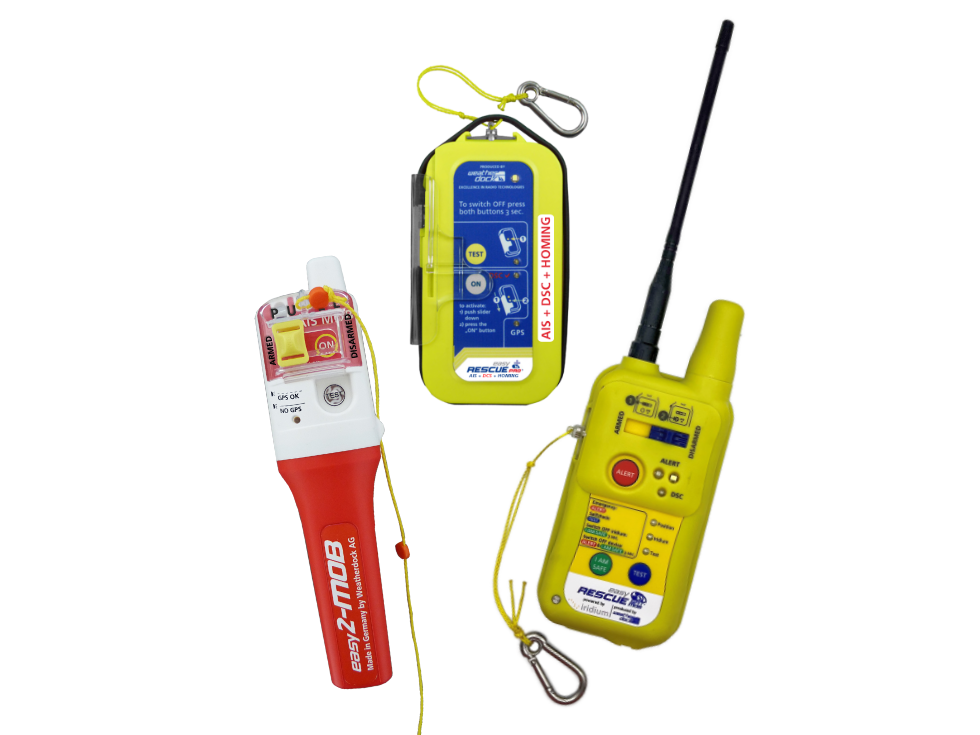
easy2-MOB, easyRESCUE-PRO3 & easyRESCUE-SAT-MOB
 |
| Main risks at sea
The biggest danger at sea?
Not the fall overboard, but the fear of never being found again.
Night
A person disappears into the darkness within seconds.
High waves
The view of the person becomes restricted after only a short time.
Small crew
Search, navigation, and rescue must be organized simultaneously.
Cold water temperatures
Every minute lost reduces the chances of survival.
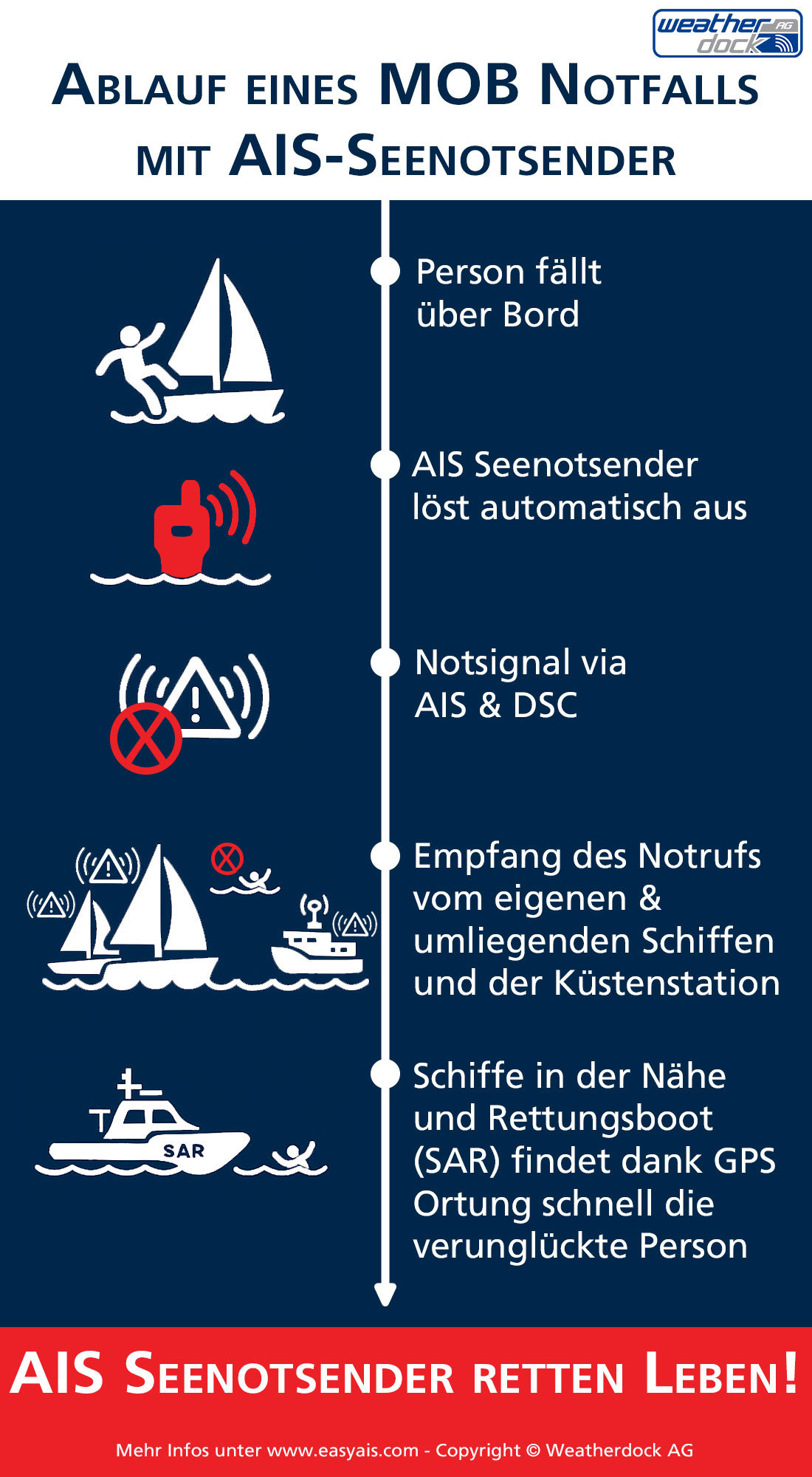
This is how rescue with AIS works
Five steps to rescue.
Man overboard
The person falls into the water.
Automatic activation
The transmitter activates immediately.
Alert
AIS and DSC transmit the exact position.
Receiving the emergency call
The distress call is received by surrounding ships and the coastal station.
Targeted rescue
Ships and rescue teams navigate directly to the person.
More about AIS MOB & AIS SART devices
Why AIS rescue beacons?
Your advantages in an emergency
Immediately visible
Position directly on AIS-enabled plotters and navigation systems.
Can also be found at night
The search is guided by the transmitted position – not by visual contact.
Automatic triggering
The transmitter will sound an alarm even if you are unable to take action yourself.
Multiple safety nets
AIS, DSC and homing complement each other.
For the whole crew
Greater safety for family, friends and fellow sailors.
Professional technology
Proven sea rescue technology for discerning sailors.
The difference in an emergency
What difference does an AIS rescue beacon make in an emergency?
Without rescue transmitter
❌ Visual contact is lost
❌ Search begins with a delay
❌ Large search area
❌ Valuable time is lost
With AIS rescue beacon
✅ Instant alert
✅ Precise location
✅ Direct navigation to the person
✅ Faster rescue
Modern AIS safety technology
Trust in professional security
Latest technologies for your safety at sea.
SOLAS-compliant solutions
AIS & DSC technology
For harsh conditions
Offshore & cruising sailors
The right AIS rescue beacon for every application
Which rescue beacon is right for you?
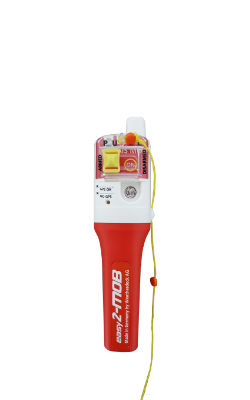
easy2-MOB
Ideal for cruising sailors, charter crews, and racing sailors.
✔ AIS + DSC
✔ Automatic activation
✔ Compact, lightweight, optimized for life jackets
✔ Latest MOB (Man Overboard) standard 2022
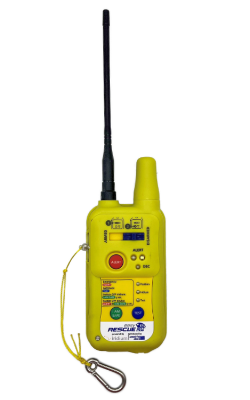
easyRESCUE-SAT-MOB
Ideal for offshore and bluewater sailors.
✔ AIS + DSC + Satellite
✔ Automatic activation
✔ Three independent alerting channels in one device
✔ Maximum safety
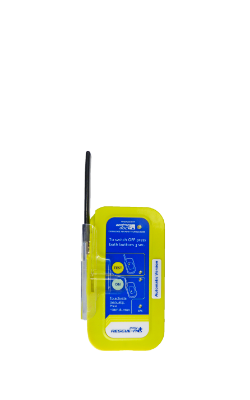
easyRESCUE
Ideal for cruising sailboats, long-distance voyages, and life rafts.
✔ AIS
✔ Automatic activation
✔ AIS-SART with up to 96 hours of transmission time
✔ Long range
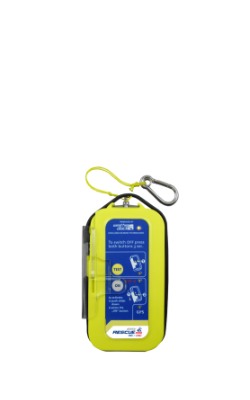
easyRESCUE-PRO
Ideal for offshore and bluewater sailors.
✔ AIS + DSC
✔ Automatic activation
✔ DSC closed- and open-loop alerting
✔ SOLAS certified
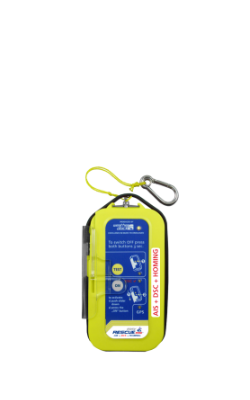
easyRESCUE-PRO3
Ideal for offshore sailors, professionals, and bluewater sailors.
✔ AIS + DSC + 121.5 MHz Homing
✔ Automatic Activation
✔ Three independent alerting channels in one device
⇒ All these devices help locate people at sea more quickly. The difference lies in how many safety nets you want to use in an emergency.
FAQ
Frequently Asked Questions about AIS Rescue Beacons
Which rescue beacon is right for me?
What happens if someone falls overboard?
As soon as the emergency beacon is activated—either automatically or manually, depending on the model—it sends an AIS distress signal with its current position. This position is displayed directly on AIS-enabled chartplotters and navigation systems within range.
This allows the person to be located much more quickly and the rescue operation to be initiated immediately.
Do I need a rescue beacon if I'm already wearing a life jacket?
Yes.
A life jacket keeps a person afloat.
A beacon helps locate the person.
Both fulfill different functions and complement each other perfectly.
How does an AIS rescue beacon help at night or in poor visibility?
In darkness, fog, or rough seas, a person in the water can disappear from sight in just a few seconds.
An AIS rescue beacon continuously transmits the current position. The crew no longer has to search for the person solely by sight, but can navigate directly to the transmitted position.
Is an AIS rescue beacon also useful for charter sailors?
Yes.
Charter yachts, in particular, often have changing crews with varying levels of experience.
An AIS beacon can significantly increase safety on board and reduce response time in an emergency.
Is an AIS rescue beacon also useful for cruising sailors?
Yes.
Man-overboard situations don’t just affect offshore or racing sailors. Even on day trips and holiday cruises, a crew member can fall overboard due to a wave, a slip, or an accident.
Especially for small crews, an AIS beacon significantly increases the chances of a swift rescue.
Do I need AIS on board to use an AIS rescue beacon?
The vessel should be equipped with an AIS receiver or AIS-enabled chartplotter so that the distress call can be displayed directly.
Depending on the model, additional DSC distress calls and other alerting functions can be used to alert other vessels in the vicinity.
Which is better: AIS or DSC?
Ideally, both.
AIS ensures that the position is displayed directly on chartplotters.
DSC additionally alerts radios and increases the likelihood that the distress call will be heard.
From the perspective of many sailors, the combination of AIS and DSC offers the greatest safety.
What is the difference between AIS MOB and AIS SART?
AIS MOB
AIS MOB transmitters are specifically designed for man-overboard situations. They are typically worn by crew members on their life jackets.
AIS SART
AIS SART devices were originally developed for life rafts and professional rescue operations. They usually have higher power reserves and longer operating times.
More safety on board now
Ready for more safety on board?
Find the right AIS rescue beacon for your boat.
+49 (0) 911 – 37 66 38 30 · info@weatherdock.de · www.easyais.com