


Successful Exchange on AIS AtoN and Offshore Logistics in Brest
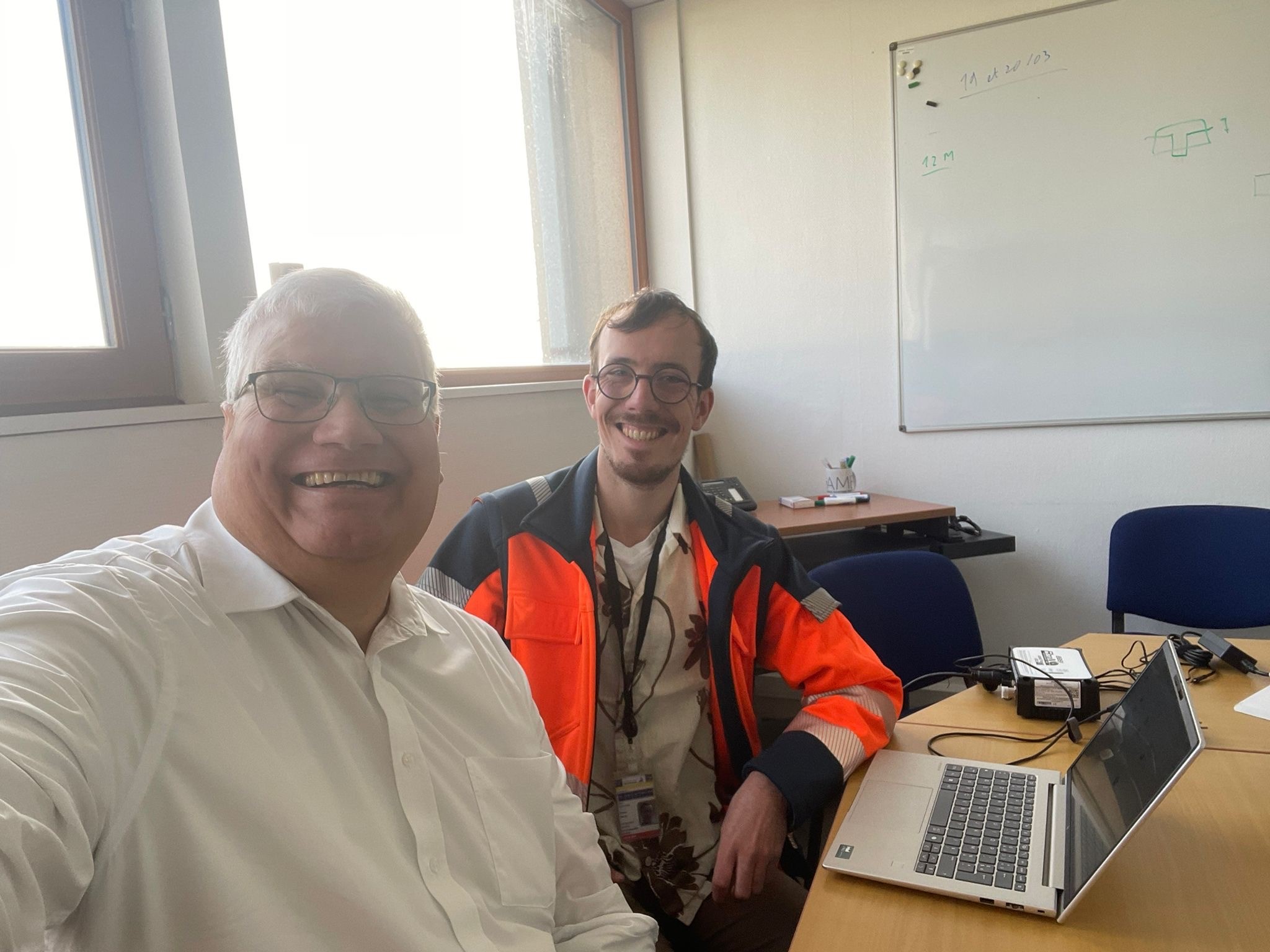
An easyAtoN Type 3 was recently installed in the industrial port of Brest. Simultaneously, the local team received practical training in the installation and commissioning program – a further step towards strengthening modern maritime navigation infrastructure.
DIOL Meeting Brest 2026
At the international DIOL (Develop Innovative Offshore Logistic) meeting, a comprehensive presentation on the use of AIS-based AtoN systems was also given. The event brought together experts from various European countries and provided a strong platform for exchange, networking, and concrete project approaches in the offshore sector.
DIOL aims to support the development of up to 65 GW of offshore wind energy by 2030, with a long-term goal of 150 GW of wind energy and 20 GW of green hydrogen in the North Sea and Celtic Sea. The focus is on building efficient logistics networks between ports and offshore companies, as well as standardizing processes and infrastructure.
A highlight of the program was the diverse range of expert presentations followed by discussions. The event concluded with engaging presentations from Innovative Navigation, Markus Krol, and our Sales Director, Felix Metzenthin, who provided valuable insights for the further development of AIS AtoN applications.
A strong signal for the future of maritime offshore logistics: networked, digital, and sustainable.
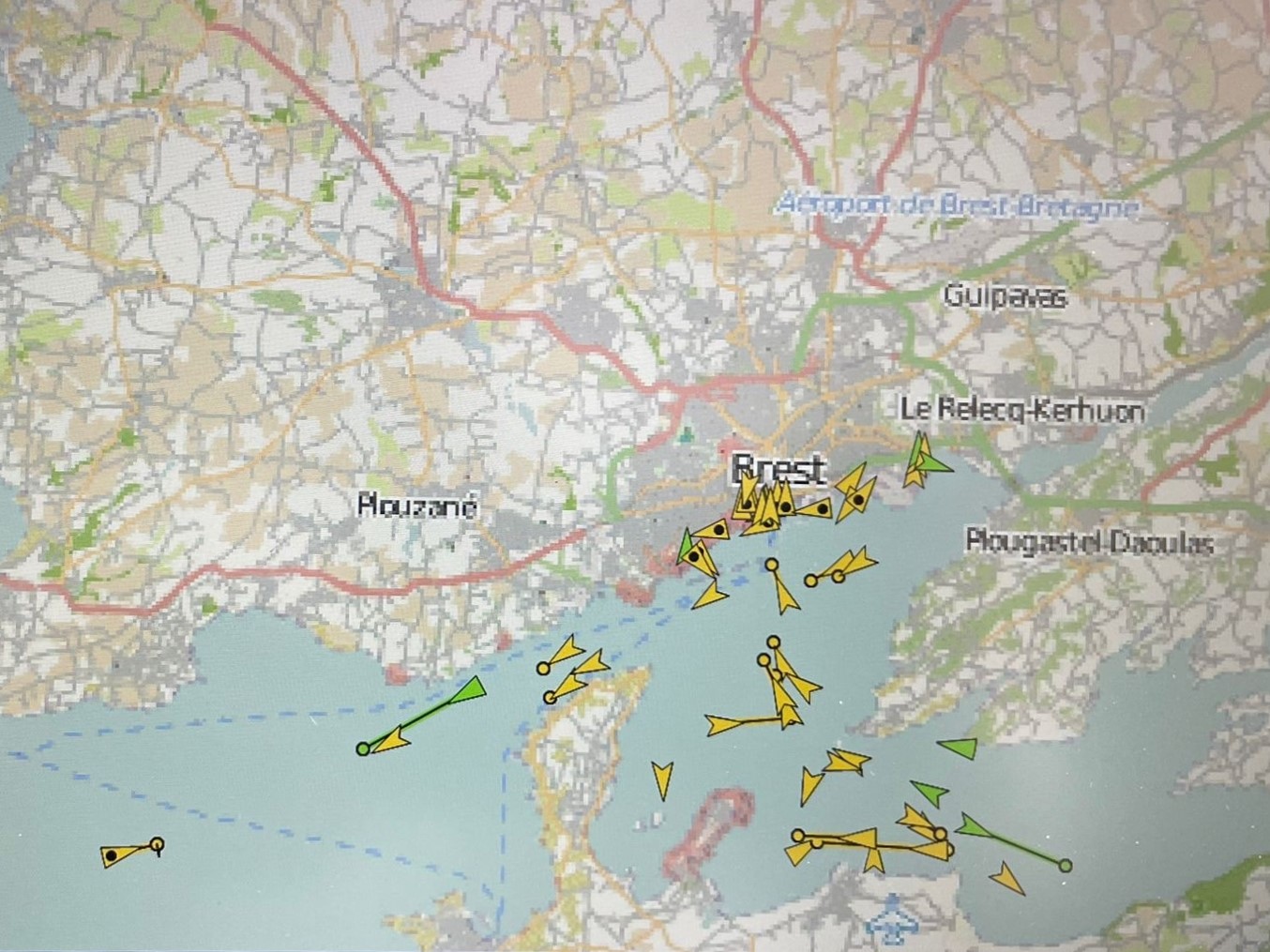
Received AIS targets – Brest.
